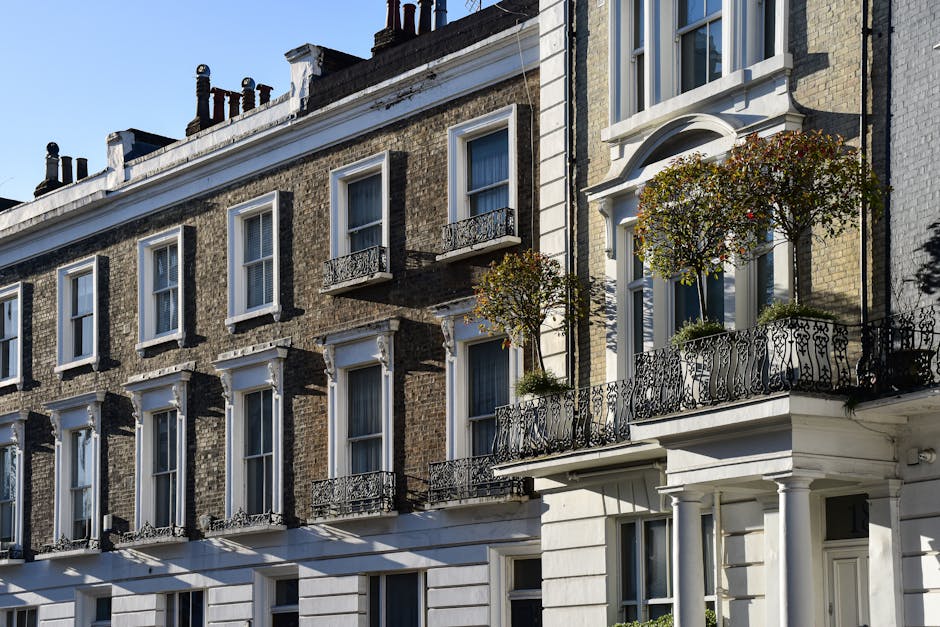
Permits and fines what landlords must know about cleaning in SW7
Cleaning in SW7 sounds simple until permits, access rules, waste handling, and the odd fine enter the picture. If you are a landlord in South Kensington, the real job is not just making a flat look presentable; it is making sure the clean is carried out properly, legally, and without causing avoidable problems with neighbours, the council, or your lease. That is especially true in mansion blocks, conversions, and properties with tight stairwells, controlled entrances, or shared service areas.
This guide breaks down permits and fines what landlords must know about cleaning in SW7 in plain English. You will learn when permissions may be needed, what tends to trigger penalties, how to plan a compliant clean, and how to reduce the risk of disputes at move-out. It is practical stuff. No drama, just the things that save time, money, and a bit of stress.
Table of Contents
- Why this matters for SW7 landlords
- How permits, access, and fines work
- Key benefits of getting it right
- Who needs this guidance most
- Step-by-step landlord cleaning process
- Expert tips for smoother compliance
- Common mistakes to avoid
- Tools, resources, and recommendations
- Law, compliance, and best practice
- Methods and practical comparison
- Real-world example
- Practical checklist
- Conclusion
- Frequently asked questions
Why Permits and fines what landlords must know about cleaning in SW7 Matters
SW7 is not the kind of area where a landlord can just assume everything around cleaning is straightforward. South Kensington has a mix of period homes, apartment buildings, managed blocks, and professional lets, and that means access can be awkward, waste can be tightly controlled, and cleaning activity can affect shared spaces more than you might expect.
One missed step can become expensive. A cleaner may need access to an internal loading bay, a residents' entrance, a service lift, or a timed parking space for equipment and waste removal. If that access is not arranged properly, the work slows down, neighbours get irritated, or the job has to be repeated. That is when costs begin to creep in. And yes, sometimes a landlord is the one who ends up paying.
There is also the broader compliance angle. Cleaning after a tenancy, preparing a furnished flat for new occupants, or arranging periodic deep cleaning can involve waste disposal, the handling of bulky items, and, in some buildings, rules about when contractors may enter. Even if a "permit" is not required in the legal sense, you may still need prior approval from a managing agent, freeholder, concierge, or local authority arrangement for parking or waste movement. In SW7, those admin details matter more than people think.
Key point: most fines linked to cleaning are not because the mop itself is illegal. They usually happen because of access breaches, improper waste disposal, blocked common areas, or ignoring building rules. Small issue, big bill. Classic London, really.
For landlords who want a cleaner turnaround between tenants, it can help to pair compliance planning with a reliable service such as end of tenancy cleaning in South Kensington or, for lighter turnover work, one-off cleaning support. If you are still shaping your process, the broader services overview is useful for understanding what kind of clean fits which situation.
How Permits and fines what landlords must know about cleaning in SW7 Works
Let's keep this simple. In cleaning projects, the word "permit" can mean a few different things. Sometimes it refers to parking or loading permission for a team arriving with equipment. Sometimes it means access approval in a managed building. Sometimes it means waste or disposal rules that must be followed before, during, or after a clean.
For landlords, the process usually looks like this:
- Check the property type. Is it a conversion flat, a managed block, a townhouse, or a let with shared access? Each one brings a different set of practical rules.
- Review lease or building terms. Many buildings in SW7 have instructions on contractor access, lift use, floor protection, rubbish storage, or booked time slots.
- Confirm waste handling. Cleaning often produces sacks of rubbish, broken hangers, packaging, old linens, or bulky items that cannot simply be left in the wrong place.
- Arrange access and timing. If cleaners need concierge entry, a keyholder, or a narrow stair route, that must be set up in advance. Delays are common when this is left to chance.
- Make sure the scope is clear. If the job includes carpet cleaning, upholstery, oven cleaning, or post-tenancy remedial work, say so early. Extra tasks can change the equipment and time needed.
- Document the condition. Photos before and after a clean help prevent disputes with tenants, agents, or freeholders. A very boring habit, but a useful one.
Fines tend to follow avoidable mistakes. A cleaner or landlord might be penalised for improper waste disposal, obstructing communal access, or failing to follow instructions for a controlled building. In some cases, the cost is not a formal fine but a charge from a building manager, a wasted contractor visit, or a deduction from a deposit dispute. The result feels the same either way: you pay more than you should have.
If the property is in a busier stretch of SW7, logistics become even more important. Flats near main roads, busy visitor areas, or older buildings can need careful planning around delivery windows and stair access. Articles like the Exhibition Road SW7 cleaning guide and narrow stairs and cleaning solutions are especially relevant if you manage a flat with awkward access.
Key Benefits and Practical Advantages
Getting permits, access, and cleaning compliance right is not only about avoiding trouble. It also improves the landlord experience in ways that are easy to underestimate.
- Fewer delays between tenancies. A clean can start and finish on time when building access and waste removal are sorted out properly.
- Lower risk of complaints. Neighbours are less likely to complain about noise, blocked hallways, or bins left in the wrong place.
- Better property presentation. A properly managed clean gives the flat a fresh, orderly feel. You notice it the moment you open the door.
- Reduced chance of chargebacks or disputes. Clear records and a documented cleaning plan help if there is any disagreement later.
- More predictable costs. When you know what needs permission and what does not, you avoid surprise add-ons.
There is also a softer benefit: peace of mind. Landlords often juggle viewings, check-outs, repairs, inventories, and new tenant move-ins all in the same week. A clean that runs smoothly takes one chunk out of that pressure. Not everything, obviously, but enough to help.
For more on keeping spending under control, it is worth reading avoid hidden cleaning fees in South Kensington apartments and the page on pricing and quotes. A little planning goes a long way.
Who This Is For and When It Makes Sense
This topic matters most if you are a landlord, letting agent, or property manager responsible for a SW7 property. It is especially relevant when the home has shared entrances, a concierge, strict waste arrangements, or older building layouts where cleaning teams cannot simply come and go without coordination.
You will also need this guidance if:
- you are preparing for check-out cleaning after a tenancy;
- you are arranging deep cleaning before a new occupant moves in;
- you manage a furnished property with upholstery, carpets, or delicate finishes;
- you have had complaints about waste, noise, or building access before;
- you want to avoid deposit disputes linked to cleanliness.
If the property is in a high-value part of Kensington and you are thinking about long-term maintenance, cleaning should be part of the wider ownership picture. Some landlords also find it helpful to think about the area's broader property context through articles like considering Kensington as home and Kensington property buying tips. That sounds slightly off-topic, but it helps frame how premium local properties are usually managed.
To be fair, if you only own a simple studio with easy street access, this may feel like overkill. But the moment you are dealing with an older block, a basement flat, or a building with strict service rules, the small stuff suddenly matters. A lot.
Step-by-Step Guidance
Here is a practical way to approach cleaning in SW7 without getting tangled in preventable issues.
- Inspect the property properly. Walk through the flat or house before booking anything. Note carpets, stains, broken items, leftover waste, and access constraints.
- Check the building rules. Ask whether contractors need booking, whether a lift can be used, whether floor protection is required, and where waste may be placed.
- Decide what kind of clean is needed. A simple domestic clean is different from a full end-of-tenancy deep clean. Do not guess. If in doubt, scope it wider.
- Confirm any parking or loading issues. This is a common pain point in SW7. If a van cannot stop close enough, every bag and machine becomes harder to move.
- Tell the cleaner about risk areas. Mention fragile marble, antique fittings, narrow stairs, high traffic corridors, or allergy-sensitive tenants.
- Plan waste removal in advance. Keep cleaning waste separate from general rubbish if the building rules require it. Do not leave bags in communal halls. That's where complaints start.
- Request photos before and after. A short record can help if the tenant later says the flat was not left in a good state, or the agent questions the work.
- Check the final result against the inventory. This is especially important for end-of-tenancy cleans.
If you need help with a particularly demanding setup, deep cleaning in South Kensington is usually a better fit than a standard refresh. And if carpets are part of the issue, carpet cleaning can make a dramatic difference without overcomplicating the rest of the job.
One small but important point: always build in a little breathing room. A clean that looks straightforward at 9 a.m. can become slower by lunchtime when a key is missing or the lift is being serviced. Happens all the time.
Expert Tips for Better Results
Over time, landlords tend to learn that the best cleaning outcomes come from preparation, not last-minute heroics. Here are the habits that make life easier.
- Book around access windows, not just convenience. If the building allows only certain contractor times, respect that from day one.
- Keep one contact person on the day. Too many voices create confusion. One keyholder, one agent, one decision-maker.
- Separate standard cleaning from remedial work. If the property needs repainting, repairs, or rubbish clearance, do not bury that inside the clean.
- Use the right service level. A light domestic clean may be enough after a short tenancy, but a long void period often needs something more substantial.
- Match the service to the building. If access is awkward, say so up front. Teams can plan around narrow staircases, parking limits, or fragile communal areas.
- Choose cleaners who understand landlord turnover. Turnaround work is different from a routine weekly clean. Pace matters. So does detail.
A lot of fines and extra charges are, honestly, just the result of poor coordination. Not because anyone set out to cause trouble. So the best "expert tip" may be the least glamorous one: write things down, confirm them twice, and do not rely on memory alone.
If your property is especially exposed to short-notice move-outs, weekend cleaning booking advice in SW7 and same-day cleaning delays are worth a look. A bit of timing insight can save a headache later.
Common Mistakes to Avoid
Some mistakes crop up again and again in landlord cleaning jobs. They are predictable, which is why they are annoying.
- Assuming access will be fine. In SW7, access is often the hidden problem. Keys, entry codes, concierge rules, and lift booking all matter.
- Leaving waste until the end. Overflowing bags, bulky rubbish, and old items can create nuisance issues fast.
- Booking the wrong level of cleaning. A quick surface clean will not solve heavy tenancy wear. That usually leads to disappointment.
- Not checking communal areas. Landlords sometimes focus on the flat and forget stairwells, landings, or shared entrance points.
- Ignoring the inventory. If the report lists dust, marks, or appliance grime, the cleaner needs to know. Otherwise the job is half-done.
- Underestimating narrow access. Small doors and steep stairs can slow down equipment handling more than expected.
There is a more subtle mistake too: failing to treat cleaning as part of property management rather than a one-off chore. That shift in mindset changes everything. It sounds slightly grand, I know, but it is true.
Tools, Resources and Recommendations
You do not need a complicated toolkit to stay organised, but a few simple things help a lot.
- A pre-clean inspection sheet. Note stains, damage, waste, access points, and special surfaces.
- A tenant handover checklist. Useful for move-out and move-in cleaning alike.
- Photo records. Before and after photos make conversations easier if questions arise.
- Building contact details. Concierge, managing agent, or keyholder information should be kept together.
- A clear scope of work. This avoids awkward "I thought that was included" conversations.
For landlords who want a more systematic approach to property upkeep, the pages on house cleaning and domestic cleaning can help clarify which option suits routine maintenance versus turnover work. If the property also serves as a rental investment, the broader context in purchasing homes in Kensington may be useful too.
If you want a cleaner that is better suited to a one-time turnover rather than a recurring schedule, look at one-off cleaning or the dedicated end-of-tenancy cleaning option. Different jobs, different rhythm. Simple as that.
Law, Compliance, Standards, or Best Practice
This section needs careful wording. Cleaning itself is not usually the issue; it is the surrounding obligations that matter. Landlords in SW7 should pay attention to lease conditions, building management rules, waste handling expectations, health and safety responsibilities, and the practical effect of any contractor access restrictions.
Best practice typically includes:
- making sure cleaners can work safely in the property;
- keeping exits and communal areas clear;
- not storing rubbish where it breaches building or council expectations;
- ensuring any equipment used is suitable for delicate or high-value finishes;
- checking that the clean does not conflict with access rules or quiet hours.
If a building has strict rules, follow them. If a management company gives instructions, keep the record. If waste or bulky items need special handling, do not assume they can be left wherever it is convenient. A small shortcut can become an awkward payment request later. The local council and building management side of things is often where landlords get caught out.
For more practical background on disposal issues, it may help to read South Kensington residents and council waste rules alongside Kensington and Chelsea cleaning and disposal rules. Those pages sit nicely alongside the landlord checklist here.
If you want reassurance around working practices and trust, you may also find the pages on insurance and safety and the health and safety policy helpful. They are not glamorous reads, but they do matter when you are handing a property to outside help.
Options, Methods, or Comparison Table
Not every landlord needs the same cleaning approach. Here is a simple comparison to help you choose without overthinking it.
| Cleaning approach | Best for | Potential risk | Landlord takeaway |
|---|---|---|---|
| Routine domestic clean | Occupied rentals, light upkeep, regular maintenance | May not remove deep tenancy wear | Good for staying on top of presentation |
| One-off clean | Occasional refresh, pre-viewing, post-work repairs | Scope can be too broad if not defined | Flexible, but needs clear instructions |
| Deep clean | Post-tenancy, neglected areas, thorough reset | Takes longer and may require more access planning | Best when you need a strong finish |
| End-of-tenancy clean | Check-out handovers, deposit-sensitive situations | Missed details can cause disputes | Most useful when inventory standards are strict |
| Carpet or upholstery add-on | Fabric wear, odours, visible marks | Requires suitable drying time and access | Worth it when soft furnishings carry the wear |
In practice, many SW7 landlords combine services. That is not excessive; it is often sensible. A flat with polished surfaces, carpets, and older furniture may need more than a quick once-over to be genuinely ready.
Case Study or Real-World Example
Picture a landlord with a two-bedroom flat near a busy South Kensington street. The tenancy ends on a Friday, and the new tenants want to move in the following Monday. Sounds manageable, right? Then the details begin.
The building requires prior notice for contractor access. The lift has to be booked. Waste cannot be left by the entrance. One bedroom has a carpet stain. The sofa needs a proper clean, not a wipe-down. The flat also has a narrow stair run, so carrying equipment in and out is slower than expected. Nothing dramatic, just lots of small friction points.
In that situation, the landlord who planned ahead arranged the access first, confirmed the clean scope, and asked for carpet treatment as part of the job. The one who did not plan ahead ended up paying extra for a second visit after realising rubbish could not be left on-site and the communal rules had been missed. Same flat, very different outcome. That is usually how it goes.
If the property has older finishes or more delicate fabrics, services like upholstery cleaning in South Kensington or a more detailed carpet clean can make the difference between a decent handover and a borderline one.
Practical Checklist
Use this before any landlord cleaning job in SW7. It keeps things neat. Not perfect, just neater.
- Confirm the property type and access layout.
- Check building rules for contractor entry, lifts, and protected areas.
- Ask whether parking or loading arrangements are needed.
- Set the cleaning scope clearly in writing.
- Identify waste that needs special disposal.
- Photograph problem areas before the clean.
- Tell the cleaner about stairs, fragile fittings, or security concerns.
- Make sure the finish standard matches the tenancy or letting agreement.
- Keep a record of any building approvals or access confirmations.
- Check the result before the tenant moves in or out.
If you are short on time, a structured provider page such as about us can help you understand the service approach before booking, while contact and request a quote are the natural next steps when you are ready to price up a job. For cost planning, the pricing and quotes page is a sensible place to start.
Get a free quote today and see how much you can save.
Conclusion
For SW7 landlords, cleaning is rarely just cleaning. It sits inside a wider web of access rules, waste handling, building expectations, and tenancy handover pressures. Get those pieces aligned and the whole process becomes easier, calmer, and cheaper. Get them wrong and the job can spiral into repeat visits, complaints, and unnecessary charges.
The good news? Most of the risk is avoidable. Check the property properly, understand the building rules, choose the right cleaning scope, and keep a record of what was agreed. That alone removes a surprising amount of friction.
In a place like South Kensington, where properties often come with character, value, and a few quirks, a careful cleaning plan is not overkill. It is just good management. And once it is in place, you will wonder why you ever tried to wing it.
Frequently Asked Questions
Do landlords in SW7 always need a permit for cleaning?
Not always. In many cases, the issue is not a formal cleaning permit but access permission, parking approval, or building management rules. The exact need depends on the property and the type of clean.
What fines can happen if cleaning is handled badly?
Common problems include waste-related penalties, charges from building management, costs for blocked access, or deductions linked to tenancy disputes. The "fine" is often a practical cost rather than a court-style penalty.
Can I leave rubbish outside the flat after a tenancy clean?
Usually no, especially in shared buildings. In SW7, communal areas are often tightly managed. Leftover waste should be handled according to the building's rules and local disposal expectations.
Is end-of-tenancy cleaning different from a normal domestic clean?
Yes. End-of-tenancy cleaning is usually more detailed and aimed at handover standards, inventory expectations, and deposit protection. A regular domestic clean is more about ongoing upkeep.
What should I tell the cleaner before the job starts?
Tell them about access, parking, waste, stairs, fragile fixtures, stain problems, and any building rules. The more context they have, the less likely you are to get delays or extra charges.
What if the property has narrow stairs or awkward access?
That is common in South Kensington. The cleaner may need smaller equipment, more time, or a different work sequence. Mention it early rather than treating it as a small detail.
Do landlords need photos before and after cleaning?
It is not always mandatory, but it is very useful. Photos help if there is a disagreement about the condition of the property or whether the required standard was met.
How do I reduce the risk of extra cleaning charges?
Be specific about the scope, confirm access arrangements, and avoid last-minute add-ons. Also check whether carpet or upholstery cleaning is needed before the job begins, not after.
Are communal hallways included in a landlord clean?
Usually not unless agreed. However, landlords should still make sure nothing from the job blocks or dirties common areas, because that is where complaints and charges often start.
What is the best type of cleaning for a rental flat in SW7?
It depends on condition. A lightly used flat may only need a one-off clean, while a vacant or heavily used property may need deep cleaning or an end-of-tenancy service.
How far in advance should I plan cleaning in South Kensington?
As early as possible, especially if access is controlled or the move-out window is tight. A bit of notice makes a huge difference when keys, lifts, and waste arrangements are involved.
Where can I learn more about cleaning services and landlord support?
The most useful starting points are the service pages, the pricing pages, and the related South Kensington blog articles on access, waste rules, and end-of-tenancy cleaning. They give a good picture of what to expect before you book.