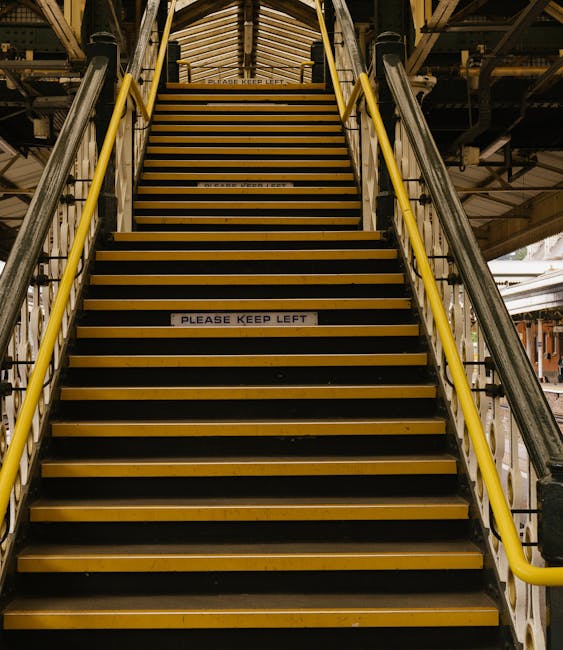
Narrow stairs access and cleaning solutions South Kensington
If you live or work in South Kensington, you already know the charm of period buildings comes with a few awkward realities. One of the biggest is narrow stairs access. Tight turns, steep flights, low ceilings, awkward landings, and a general lack of elbow room can make even a simple clean feel like a small operation. This guide on Narrow stairs access and cleaning solutions South Kensington explains how to clean safely, efficiently, and without damaging walls, banisters, carpets, or your patience.
Whether you are moving out, preparing for guests, booking a deep clean, or just trying to keep a compact townhouse or mansion block flat under control, the right approach makes a huge difference. And to be fair, the difference is usually felt before you even notice it: less noise, fewer bumps, no repeated back-and-forth on the stairs, and a far smoother finish overall.
Below, you will find practical methods, decision-making tips, a comparison table, a real-world example, and a checklist you can actually use. If you are also comparing broader cleaning options, it can help to look at the wider services overview and the more specialist deep cleaning South Kensington approach when access is especially awkward.
Table of Contents
- Why Narrow stairs access and cleaning solutions South Kensington Matters
- How Narrow stairs access and cleaning solutions South Kensington Works
- Key Benefits and Practical Advantages
- Who This Is For and When It Makes Sense
- Step-by-Step Guidance
- Expert Tips for Better Results
- Common Mistakes to Avoid
- Tools, Resources and Recommendations
- Law, Compliance, Standards, or Best Practice
- Options, Methods, or Comparison Table
- Case Study or Real-World Example
- Practical Checklist
- Conclusion
- Frequently Asked Questions
Why Narrow stairs access and cleaning solutions South Kensington Matters
Narrow stairs are not just an inconvenience. They shape the whole cleaning plan. In South Kensington, many homes and converted properties have compact stairwells that were never designed for modern bulky cleaning equipment. That means the obvious route is often the wrong one. A machine that seems perfect on paper can become a liability if it cannot be carried safely up a winding staircase or turned on a tight half-landing.
This matters for a few reasons. First, there is the practical side: a cleaner needs to move safely without dragging hoses, buckets, vacuums, or laundry up and down the stairs. Second, there is the property itself. Painted walls mark easily. Corners chip. Bannisters get scuffed. Third, there is speed. In a narrow stairwell, every extra trip takes longer, and delays tend to snowball. You think you are saving time by rushing. Usually, you are not. The stairs have other ideas.
In South Kensington, this issue is especially common in flats above townhouses, older mansion blocks, mews-style homes, and split-level rentals. It also comes up when tenants are moving out and need a finish that looks polished enough for a final inspection. For that kind of job, it is often smart to pair access planning with a broader move-out clean, such as end of tenancy cleaning South Kensington, so the work is organised from the start rather than improvised midway through.
Expert summary: The best cleaning outcome in a narrow-stair property is rarely about using the most powerful machine. It is about using the most suitable method, the right sequence, and a team that understands how to work with the building instead of fighting it.
How Narrow stairs access and cleaning solutions South Kensington Works
The process starts before anyone picks up a vacuum. A good plan begins with access review: staircase width, turning points, floor coverings, entry timings, parking restrictions, and whether there is enough room to stage equipment safely at the top or bottom. If there are delicate finishes, such as polished wood, runner carpets, or ornate plasterwork, the route matters just as much as the cleaning itself.
For routine domestic work, the solution is often to use lighter, more portable equipment and work in smaller sections. That may mean backpack vacuums, compact steamers, handheld detailing tools, or microfiber systems that do not require huge machines. For deeper work, the cleaner may break the job into separate passes: dust removal first, then targeted cleaning, then finishing touches on trim, corners, and touch points.
For larger properties, especially where narrow stairs connect several levels, the workflow usually changes. Heavy items are moved only when absolutely necessary. Cleaning is often planned floor by floor, with supplies set in advance so nobody is constantly carrying kit up and down. In a one-off or intensive clean, that kind of planning is not optional. It is the job.
If you are comparing a small maintenance clean against a bigger overhaul, it is worth looking at one-off cleaning South Kensington alongside domestic cleaning South Kensington. The access challenge is the same, but the amount of equipment and time needed can be very different.
A small real-world detail: the cleaner who succeeds in a narrow stair property is usually the one who pauses for ten seconds at the start to look around, rather than the one who charges in. That pause saves scratches, missteps, and that awkward silence when the vacuum gets stuck halfway on the landing. Happens more often than you might think.
Key Benefits and Practical Advantages
Good narrow-stair cleaning solutions are not just about convenience. They change the quality of the whole clean.
- Lower risk of damage: Less bumping into walls, banisters, and skirting boards.
- Safer movement: Smaller, lighter kit is easier to carry and less likely to cause slips or strain.
- Better efficiency: A planned route cuts wasted movement and keeps the job moving.
- More complete cleaning: Compact tools can reach corners, stair edges, and hard-to-access areas more effectively.
- Less disruption: Neighbours, guests, or family members are less likely to be disturbed.
- More reliable results: The cleaner can focus on detail instead of managing equipment problems.
There is also a very local benefit in South Kensington: many homes are beautifully finished but not especially forgiving. A high-end hallway or a freshly painted stairwell can look tired very quickly if cleaning work is clumsy. On the other hand, a careful, low-impact method can leave the place feeling brighter without leaving the faint marks that tell on you later.
For property owners, landlords, and tenants, this can affect more than appearance. It can influence how smoothly an inspection goes, how a home is presented, and how much rework is needed. If you are comparing pricing and service scope, a sensible starting point is the page on pricing and quotes, because access constraints sometimes change the time required and the method used.
Who This Is For and When It Makes Sense
Narrow stairs access and cleaning solutions South Kensington is relevant for a lot more people than you might first think. It is not only for unusual buildings or hard jobs.
You may need this approach if you are:
- living in a converted flat with steep internal stairs
- renting a split-level property near the museums or Brompton side streets
- managing a townhouse where equipment has to be carried through tight hallways
- preparing for a tenancy end, inventory check, or buyer visit
- booking spring cleaning after a long busy period
- running a small office in a building with awkward access to upper floors
This also matters if you are planning around timing. For example, if you need a weekend slot because weekdays are impossible, then access planning becomes even more important, since there is less margin for delays. The page on booking windows and weekend cleaning in SW7 is a useful related read if you are thinking about scheduling.
It makes sense whenever the building layout slows the job down, creates safety concerns, or makes standard equipment a poor fit. Simple enough. But that one change in method can be the difference between a neat result and a half-finished headache.
Step-by-Step Guidance
If you want the clean to go smoothly, treat access as part of the cleaning brief. Not an afterthought.
- Map the route first. Check the tightest point in the stairwell, any awkward corners, and where you can safely set down equipment.
- Remove obstacles. Shoes, baskets, folded buggies, bags, and anything else that turns a tight staircase into an obstacle course.
- Choose compact tools. Use lighter vacuums, microfiber cloths, and portable items that do not fight the building.
- Protect surfaces. Cover vulnerable corners where needed and avoid dragging kit along painted edges or runner carpets.
- Work top to bottom. That usually means less re-soiling and fewer return trips.
- Break the clean into zones. Each landing, stair run, or room gets finished before moving on.
- Check the small details. Bannisters, handrails, stair edges, light switches, and skirting often show the most wear.
- Do a final walk-through. Look for missed dust lines, footprints, water marks, and any spots where equipment brushed the wall.
In practice, the best way to think about it is this: if a cleaner has to keep saying "I'll just be careful with this" every five minutes, the kit or the plan is probably wrong. Better to correct the plan than to keep apologising to the stairs.
Expert Tips for Better Results
Small changes make a big difference in narrow stair properties. A lot of the work is hidden in the setup.
Use smaller, smarter equipment
Compact tools are not a downgrade. In tight access spaces, they are often the upgrade. A small vacuum with good suction may outperform a larger machine that cannot be moved properly. Handheld attachments and flexible tools also help with edge dust and under-railing areas.
Stage supplies before you start
Rather than walking up and down with every product, stage what you need on one level first. That saves time and lowers the chance of tripping. It also helps keep concentration where it belongs: on the actual cleaning.
Keep the stairwell clear of moisture
Too much water on a staircase is a bad idea, especially on wood or polished surfaces. Use lightly damp cloths and controlled application rather than heavy soaking. That sounds obvious, but it is one of the easiest things to get wrong in a hurry.
Plan for corners and awkward angles
In South Kensington properties, stair corners often collect dust because straight-line cleaning tools cannot reach them properly. Corner brushes, crevice tools, and a decent microfiber cloth make a noticeable difference. You will see it in the first pass.
Speak up about the access issues early
If you are booking a service, tell the cleaner about the stairs before arrival. Mention tight turns, basement access, no-lift buildings, and any resident restrictions. It is not over-sharing. It is useful information.
For homes near busy roads or mixed-use streets, this becomes even more relevant. If cleaning needs to be coordinated around access timing, loading restrictions, or same-day pressure, related articles like same-day cleaning delays and common problems in South Kensington can help set realistic expectations.
Common Mistakes to Avoid
The mistakes here are usually not dramatic. They are the ordinary little ones that cause nuisance, damage, or wasted time.
- Using oversized equipment: If it barely fits, it is probably too big for the job.
- Ignoring the route: Cleaners sometimes focus on the room and forget the journey to the room.
- Rushing stair movement: Fast is not always efficient. Especially on stairs.
- Over-wetting surfaces: Moisture on stairs can leave marks or create slip risk.
- Skipping protective planning: Edges, walls, and handrails suffer first when there is no buffer.
- Not checking access notes: A very narrow stairwell can turn a normal booking into a complicated one if nobody mentioned it.
- Leaving the final detail pass to the end and then running out of energy: This happens. More often than people admit.
One mistake we see a lot is assuming a clean will be straightforward because the property itself is small. But small properties with narrow stairs can be trickier than larger, more open homes. The space feels compact, but the physical handling burden is still there. That is the sneaky part.
Tools, Resources and Recommendations
You do not need a warehouse full of specialist gear. In fact, too much gear is often the problem. The best setup is lean, adaptable, and easy to carry.
| Tool or approach | Best use | Why it helps on narrow stairs |
|---|---|---|
| Compact vacuum | Regular dust and debris removal | Easier to lift, turn, and store on landings |
| Microfiber cloths | Dusting, wiping, finishing | Light, flexible, and effective on edges and rails |
| Crevice tool | Corner dust and stair joints | Reaches spaces that larger heads miss |
| Bucket-free spray system | Controlled surface cleaning | Reduces water load and slip risk |
| Small caddy or tote | Carrying essentials between floors | Prevents repeated trips and clutter |
| Protective corner care | High-contact areas | Helps reduce scuffs on tight turns |
If you are weighing up a broader home clean or planning a more seasonal refresh, the spring cleaning South Kensington page is a sensible companion. It can be a useful reference when narrow stairs are only one part of a bigger project.
For more involved fabric care, especially where furniture has to be moved on tight stairwells, the pages on carpet cleaning South Kensington and upholstery cleaning South Kensington are also worth a look. Not because they solve access on their own, but because they show how the cleaning scope may need to be adapted.
Law, Compliance, Standards, or Best Practice
When cleaning involves narrow stairs, the main concern is safety and reasonable care. That may sound plain, but it matters. In the UK, good practice generally means reducing slip risk, avoiding unnecessary manual handling strain, and protecting property surfaces from avoidable damage. You do not need legal drama in the hallway.
For professional cleaners, that usually translates into sensible risk awareness: keeping routes clear, carrying equipment in manageable loads, choosing stable footwear, and not forcing large machines through spaces where they clearly do not belong. Manual handling is especially important. Stairs and awkward turns raise the physical effort, so good technique and sensible planning matter more than bravado.
Property managers and tenants should also think about building rules. Some blocks have access windows, concierge instructions, noise expectations, or requirements about shared areas. These are not always written in stone, but ignoring them can create friction. If you are dealing with a managed property, it helps to check the rules early and keep communication calm and precise.
From a service-trust perspective, it is also sensible to use providers who are clear about their policies. Pages such as health and safety policy, insurance and safety, and accessibility statement can give a better sense of how a company approaches care, access, and responsibility.
That combination of practical care and clear communication is usually enough. Simple, but not easy. There is a difference.
Options, Methods, or Comparison Table
If you are deciding how to handle a property with narrow stairs, these are the most common options. The best choice depends on the size of the space, the type of clean, and how much movement the job involves.
| Method | Best for | Strengths | Trade-offs |
|---|---|---|---|
| Compact routine clean | Weekly or fortnightly upkeep | Fast, low-disruption, easier on stairs | May not suit heavy build-up |
| Targeted deep clean | Dust build-up, marks, detail work | More thorough and precise | Takes longer and needs better planning |
| One-off refresh | Before guests, moves, or events | Flexible and focused on visible results | Less ongoing support |
| End of tenancy clean | Move-out inspection standards | Structured and detail-driven | Needs careful access coordination |
| Specialist room-by-room plan | Multi-level or awkward layouts | Best for complex stair access | Requires more planning upfront |
For a lot of South Kensington homes, the room-by-room plan wins. Not always because it is glamorous, but because it respects the building. And honestly, that is usually the difference between a smooth day and a frustrating one.
Case Study or Real-World Example
Picture a compact South Kensington flat above street level, with a narrow staircase that bends sharply halfway up. A tenant is preparing for move-out. The usual mistake would be to arrive with a standard-sized vacuum, a full cleaning kit, and a vague hope that the stairs will cooperate. They will not.
Instead, the clean is planned in stages. First, bulky items are sorted at the top floor so nothing has to be carried back and forth repeatedly. Then the cleaner uses a compact vacuum and microfiber cloths on the stair edges, banister, and skirting. The hallway is cleared before any wet cleaning begins. A light-touch solution is used for marks on painted surfaces, and the final pass is done after all traffic through the stairs has stopped.
What changes? The job becomes calmer. Faster, too. The stairwell is not scratched, the walls are not brushed repeatedly, and the final result looks deliberate rather than rushed. In a move-out scenario, that matters a lot because the little things are exactly what people notice in the final ten minutes.
That kind of method is also useful for people living near busy local routes where timing needs to be handled carefully. If you are managing a cleaning appointment around a demanding day, articles such as same-day carpet cleaning on Gloucester Road and the Exhibition Road SW7 cleaning guide for South Kensington flats can offer useful local context.
Practical Checklist
Use this checklist before the cleaning begins. It keeps the job grounded and stops the usual last-minute scramble.
- Measure or visually check the narrowest stair point.
- Note any turns, low ceilings, or tight landings.
- Clear the staircase of personal items.
- Choose lightweight cleaning equipment.
- Protect delicate edges and high-contact surfaces.
- Keep water use controlled and minimal.
- Plan the cleaning order floor by floor.
- Tell everyone involved about access constraints.
- Allow extra time for carrying kit and setting up.
- Do a careful final inspection of stairs, rails, and corners.
It is a simple checklist, yes. But simple is often what works.
Get a free quote today and see how much you can save.
Conclusion
Narrow stairs access and cleaning solutions South Kensington is really about matching the cleaning method to the property, not forcing a one-size-fits-all approach. In a district full of elegant older buildings, compact flats, and tricky staircases, that mindset saves time, prevents damage, and leads to cleaner results you can actually feel good about.
If you remember nothing else, remember this: the route matters, the tools matter, and the planning matters just as much as the cleaning itself. That is the quiet truth behind a good finish. Not flashy, just effective.
And if you are still deciding what level of service fits your home or building, it may help to browse the latest South Kensington cleaning articles for more local guidance, or read about us to understand the team behind the service. Sometimes the most reassuring thing is simply knowing the people coming through the door respect the place they are working in.
Frequently Asked Questions
What is the best way to clean a property with narrow stairs?
The best way is to keep the equipment compact, clear the route first, and work top to bottom in small sections. That lowers damage risk and keeps the clean more controlled.
Do narrow stairs mean I need a specialist cleaning service?
Not always, but it often helps. If the staircase is steep, tight, or awkwardly turned, a cleaner who is used to compact access will usually work more efficiently and safely.
Can deep cleaning be done in homes with very small staircases?
Yes, but it usually needs a more careful plan. The cleaner may use lighter tools, break the job into zones, and avoid unnecessary movement of bulky equipment.
Is it safe to use wet cleaning methods on stairs?
Yes, if moisture is controlled carefully. Stairs should never be left damp or slippery. Microfiber and lightly applied solutions are usually safer than soaking methods.
How do cleaners protect walls and banisters in tight stairwells?
They use careful movement, smaller tools, and, where needed, surface protection on vulnerable corners. Good planning matters more than brute force here.
What should I tell a cleaner before they arrive?
Tell them about tight turns, stair width, low ceilings, building rules, access times, and any items that may block the way. A few details upfront save a lot of hassle later.
Are narrow stairs a problem for end of tenancy cleaning?
They can be, because move-out cleans often involve more equipment and more detail work. That is why access information should be shared early, especially if the property has several levels.
What tools work best for cleaning stair edges and corners?
Compact vacuums, crevice tools, microfiber cloths, and small brushes tend to work best. They are easier to control in tight spaces and better at reaching awkward edges.
Will narrow stairs make the cleaning more expensive?
Sometimes, depending on how much extra time or specialised handling is needed. The exact cost depends on the property and the scope of work, so it is best to request a tailored quote.
How can I prepare my home before the cleaners arrive?
Clear the stairs, move loose items out of the route, and make sure access points are unlocked and ready. Even five minutes of prep can make a real difference.
What if my building has access restrictions or awkward timing?
Let the cleaner know as early as possible. Some jobs need tighter scheduling or a slightly different workflow. If timing is especially important, the booking window guide for SW7 may be useful.
Where should I start if I want help with a narrow-stair property in South Kensington?
Start by checking your property layout, deciding what type of clean you need, and then requesting a quote with clear access notes. That gives the service provider a fair chance to plan properly from the outset.